Post-conviction · 2000–2024
Appeals, Disputed Evidence, and the DNA Breakthrough
Defense evidence, prosecution responses, court rulings, disputed disclosure claims, DNA testing, and the 2024 dismissal—presented in sequence.
The procedural record, 2000–2018
The litigation concerned JJ’s conviction for the killing of retired NYPD officer Albert Ward during a robbery inside the illegal Harlem gambling joint Ward operated. JJ pursued a direct appeal, federal habeas review, and motions under New York’s Criminal Procedure Law. His conviction was affirmed on direct appeal in 2004, a federal habeas petition was denied in 2007, and the Manhattan District Attorney’s first conviction-integrity review left the conviction in place in 2013. JJ filed a CPL 440 motion that year; the motion was denied in 2014 and the denial was affirmed in 2016. A later motion raised a disputed police-report disclosure claim and was denied in 2018. Each stage kept the case alive, but none produced relief before clemency.
What the defense presented
JJ’s lawyers gathered recantations or qualifications from witnesses, evidence about the original physical-description mismatch, and information about possible alternate suspects. Police records documented tips naming “Mustafa,” “Shaq,” and Victor Gibson. The defense argued that investigators had failed to pursue those leads adequately after focusing on JJ.
The defense also presented an alleged confession attributed to a man identified as Moustapha. That allegation was separate from the fact that police had received early tips; neither established who killed Ward. The 2013 defense memorandum is preserved locally as a historical filing, not as a neutral statement of adjudicated fact.
What the courts ruled then
The official 2016 Appellate Division opinion, also available through a readable Justia mirror, rejected the claims before it. The court described Brown’s recantation as unsworn, said Phillip Jones had repudiated his recantation and denied understanding the affidavit, and noted that Woodford and Ricky Jones continued to identify JJ. It also found the alleged Moustapha confession implausible in light of evidence about that individual’s location and physical characteristics. Those rulings are essential procedural history even though the case later changed substantially.
The disputed police report
JJ’s lawyers later alleged that a police report had not been disclosed and sought relief on that basis. Prosecutors disputed the allegation, saying that the report’s existence had been disclosed before trial. No published ruling located for this archive established a Brady violation. CBS New York reported both positions in 2017. The U.S. Department of Justice’s Brady disclosure policy is linked only as general legal background.
Reporting kept the record open
Dateline producer Dan Slepian interviewed witnesses and reviewed the record over a decade-long investigation. Luke Russert reported “Conviction”, which aired on February 12, 2012 and brought the evidence to a national audience. The broadcast prompted renewed public scrutiny and, according to the National Registry of Exonerations case chronology, review by the Manhattan District Attorney’s conviction-integrity operation. The complete reporting chronology is preserved on the reporting page.
The betting slip
Before the robbery, the man called “Tee” handled a betting slip and wrote his name on it. The slip was recovered from the scene. According to the National Registry of Exonerations, the medical examiner’s office produced a DNA mixture in 2014 but did not compare it with JJ’s profile; a court ordered disclosure and testing in January 2020; Cybergenetics excluded JJ on July 2, 2020; and the medical examiner confirmed the exclusion on April 10, 2023, in samples where comparison was possible. The result did not identify the shooter; it excluded JJ from biological material recovered from an object the shooter had handled.
Release and what changed by 2024
Executive clemency led to JJ’s release on September 9, 2021, after exactly 23 years, 7 months, and 8 days of wrongful incarceration. Release did not erase the conviction. He completed community supervision on March 9, 2024. The Manhattan District Attorney’s Post-Conviction Justice Unit had reopened the case in 2022 and reviewed the DNA result alongside the alibi, missing physical evidence, inconsistent descriptions, and identification problems.
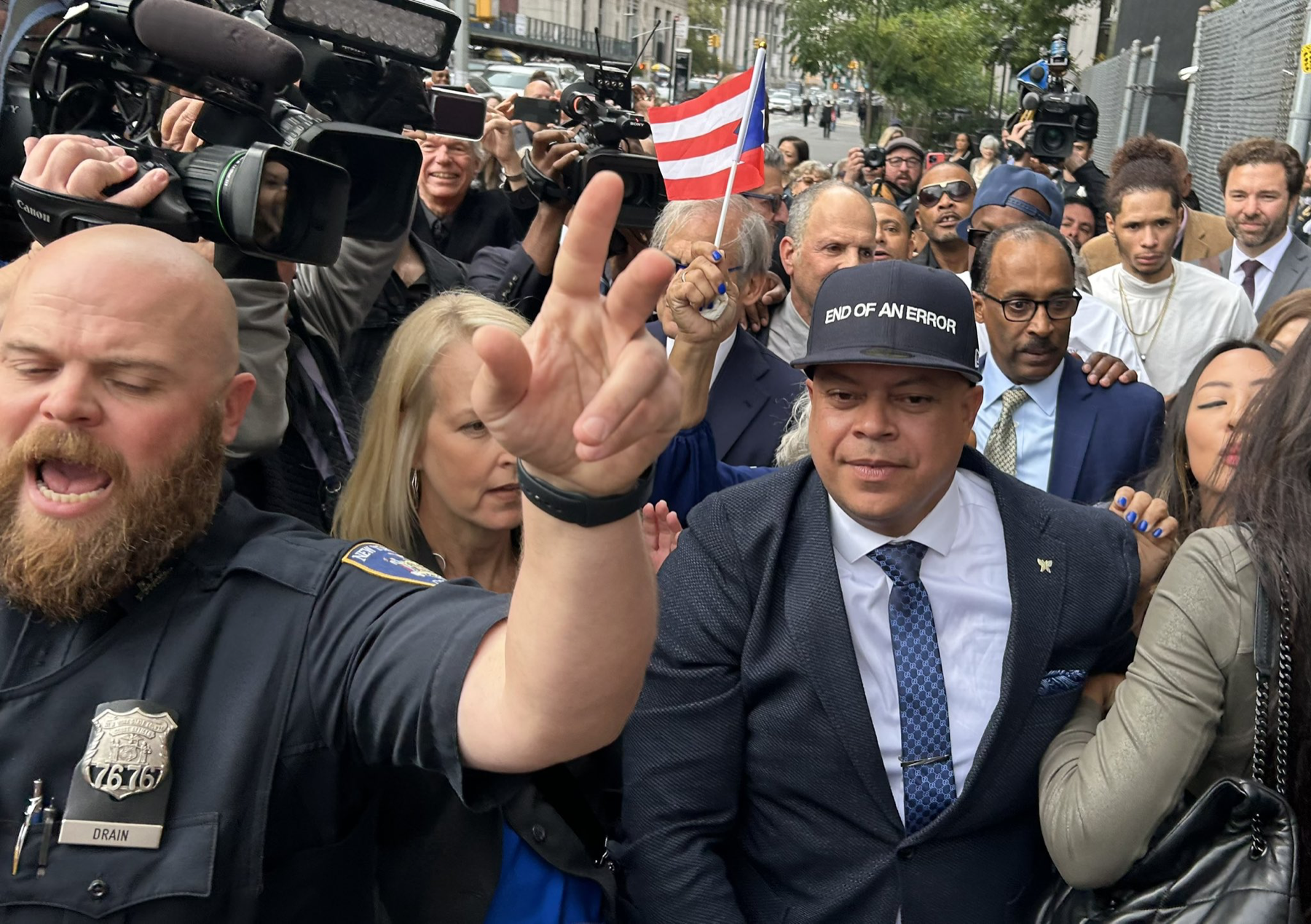
JJ’s lawyers filed the motion to vacate on September 23, 2024. On September 24, prosecutors joined the motion and moved to dismiss the indictment in the interest of justice. They said the DNA result, considered with the inconsistent identifications and absence of physical evidence, could have affected the jury’s verdict. On September 30, Justice Abraham Clott granted the motions, set aside the convictions, and dismissed the case. The 2024 disposition corrected the conviction; it did not convert every earlier defense allegation into a judicial finding.
The Manhattan DA’s annual report records the office’s decision to join the application; JJ’s lawyers published their statement on the cooperative reinvestigation and joint motion; and the Associated Press reported from the hearing. The National Registry of Exonerations lists mistaken identification, false accusation or perjury, official misconduct, and inadequate defense as contributing factors, and separately records DNA evidence as contributing to the exoneration.